


What is a Root Canal Treatment?
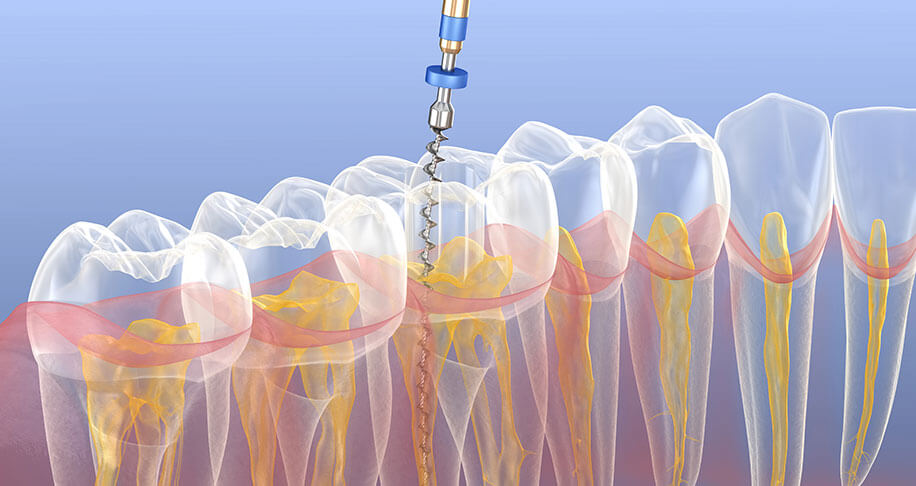
Root canals may be the most misunderstood procedure in dentistry. For decades, they have carried a reputation for being painful and something to dread, but most patients who have actually had one will tell you the experience was far more manageable than they expected. The discomfort people associate with a root canal is almost always from the tooth problem that made one necessary, not from the treatment itself.
If your dentist has recommended a root canal, here is a general overview of what that means and what you can expect going into it.
What is a Root Canal?
A root canal is a dental treatment used when a tooth has developed a problem deep inside it that cannot be addressed with a standard filling or other routine care. It is a type of endodontic treatment, which refers to care focused on the inner structures of a tooth. The goal of the procedure is to relieve pain, address infection, and save a tooth that might otherwise need to be extracted.
Root canals are more common than most people realize and are performed routinely at dental offices across the country. At Dental Matters, Dr. Syed walks every patient through the process ahead of time so there are no surprises on the day of the appointment.
When is a Root Canal Recommended?
A dentist typically recommends a root canal when a tooth has become infected or severely damaged in a way that has affected its inner structure. This can happen as a result of a cavity that was left untreated for too long, a crack or fracture in the tooth, or an injury that caused internal damage even without visible signs on the surface.
Some of the signs that a tooth may need this kind of attention include a toothache that does not go away, sensitivity to heat or cold that lingers longer than it should, pain when biting down, visible swelling near the tooth, or a darkening of the affected tooth. That said, not every tooth that needs a root canal will be painful. In some cases, the issue only becomes clear during a routine exam or on an x-ray.
What Can Patients Expect From the Appointment?
The experience of getting a root canal is generally similar to having other dental work done. The area is numbed before treatment begins, and most patients report that the appointment itself is not painful. Depending on the tooth and its condition, the treatment may take one visit or require a follow-up appointment. After the root canal is complete, a dental crown is often recommended to protect the tooth going forward. If you have been dealing with significant pain beforehand, this type of treatment may even be handled as part of an emergency dental appointment when prompt care is needed.
Some mild soreness after the appointment is normal and typically resolves within a few days. Most people return to their regular routine the next day without any significant downside.
Does a Root Canal Hurt?
This is the question almost everyone asks. The procedure itself is generally not painful because the area is numbed beforehand. The discomfort most people associate with root canals is usually from the infected or damaged tooth before treatment begins. Once that issue is addressed, relief tends to follow. If a patient is nervous about the appointment, our team is happy to talk through comfort options during the consultation.
Is it Better to Save the Tooth or Have it Pulled?
In most cases, keeping the natural tooth is the better long-term option. Natural teeth function differently than replacements, and preserving them whenever possible is generally in a patient’s best interest for jaw health and overall bite stability. When extraction is unavoidable, there are good options for replacing a missing tooth, including dental implants, but saving the original tooth is usually the simpler path when it is still viable.
How Long Does Recovery Take?
Recovery after a root canal is typically straightforward. Most patients feel well enough to go about their normal day within 24 to 48 hours. It is common to have some sensitivity around the treated tooth for a short period, and your dentist will give you aftercare guidance specific to your situation. Staying on top of regular dental checkups following treatment helps ensure the tooth continues to heal well and that the surrounding area stays healthy.
Schedule a Consultation at Dental Matters in Skokie, IL
If you have been told you may need a root canal, or if you are experiencing tooth pain and want to find out what is causing it, the team at Dental Matters is here to help. Dr. Syed takes the time to explain what is going on with your tooth and what your options are before any treatment begins.
Dental Matters is located at 9327 Skokie Blvd, Unit C, Skokie, IL 60077, and we are currently accepting new patients.
Call us at 847-227-8277 to schedule an appointment.
Frequently Asked Questions
How do I know if I need a root canal?
Signs that a tooth may need this type of treatment include persistent tooth pain, sensitivity that lingers after eating or drinking something hot or cold, discomfort when biting, swelling near the gumline, or visible changes in the color of a tooth. The only way to know for certain is to have the tooth examined and x-rayed by a dentist.
How long does a root canal appointment take?
The length of the appointment depends on the tooth being treated and the complexity of the case. Some root canals are completed in a single visit, while others may require a follow-up. Your dentist will give you a clearer picture of what to expect after examining the tooth.
What happens after a root canal?
Most patients experience some mild tenderness around the treated tooth for a few days after the appointment, which is normal. A dental crown is often placed following root canal treatment to protect the tooth. Your dentist will outline the next steps and any aftercare instructions specific to your situation.
Can a tooth that has had a root canal still develop problems?
In most cases, a properly treated tooth with a well-fitted crown can last for many years without issue. Reinfection is uncommon but possible if bacteria re-enter the tooth through a new crack or breakdown in the seal. Regular dental visits make it easier to catch any changes early.
Is a root canal covered by dental insurance?
Root canal treatment is considered a restorative procedure and is included under many dental insurance plans, though coverage varies depending on the plan. Our team can help you understand your benefits before your appointment. Visit our insurance and financing page for more information on the options available at Dental Matters.
Disclaimer
This content is intended for general informational purposes only and does not constitute medical or dental advice. Every patient’s situation is unique, and treatment experiences may vary. Please consult with a qualified dental professional for guidance specific to your individual needs and circumstances.

