


What Happens During the Veneer Procedure?
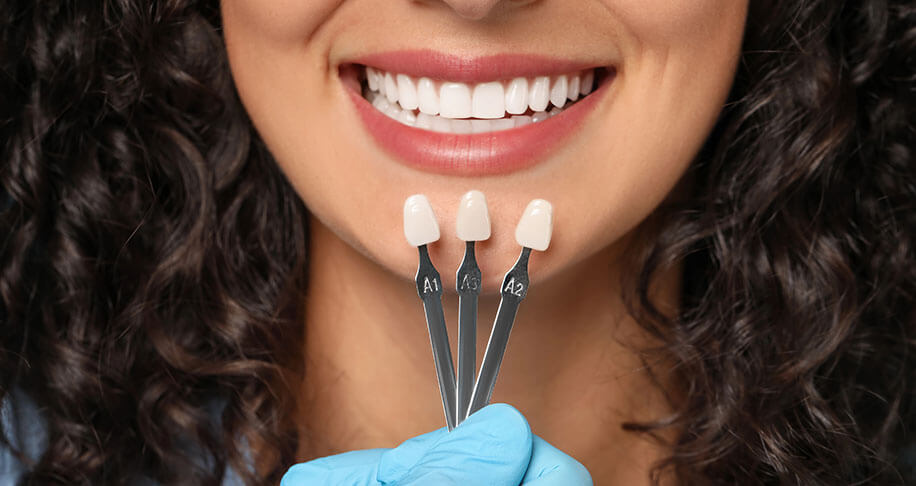
Veneers are one of the most popular ways to improve the appearance of a smile, correcting issues like chipped, stained, worn, or slightly misaligned teeth without the need for more extensive treatment. If your dentist has recommended veneers, it helps to know what each appointment involves before you sit down in the chair. At Dental Matters, Dr. Syed and our team walk patients through every stage of the process so the experience feels predictable from start to finish.
Here is what you can expect during a veneer procedure at our Skokie, IL office.
1. Initial Consultation and Smile Assessment
The process begins with a consultation where Dr. Syed examines your teeth, gums, and bite to determine whether veneers are the right fit for your goals. This visit is also an opportunity to discuss the look you want to achieve, whether that means brightening discolored teeth, closing small gaps, or evening out a smile with chipped or uneven edges. Veneers are typically recommended as part of cosmetic dentistry treatment for patients who are not good candidates for whitening alone or who want a more dramatic, long-lasting change.
Before moving forward, your dentist will confirm that your teeth and gums are healthy enough for the procedure. If decay or gum disease is present, that will need to be addressed first.
2. Tooth Preparation
Once veneers are confirmed as the right treatment, your dentist prepares the teeth that will receive the treatment. This typically involves removing a thin layer of enamel from the front surface of each tooth, usually less than a millimeter, to make room for the veneer and allow it to sit flush against the tooth without looking bulky or unnatural.
Local anesthetic is often used during this step, especially if a larger amount of enamel needs to be removed or if the teeth are sensitive. Most patients describe this part of the appointment as straightforward and comfortable.
3. Taking Impressions or Digital Scans
After your teeth are prepared, your dentist takes a digital scan or physical impression of your teeth. This becomes the blueprint for your custom veneers, ensuring each one is shaped and sized to match your bite and complement your natural smile.
The impressions are sent to a dental lab, where your veneers are custom fabricated. This process usually takes one to two weeks, depending on the material chosen and the complexity of the case.
4. Wearing Temporary Veneers
While your permanent veneers are being made, your dentist may place temporary veneers over the prepared teeth. These protect the enamel underneath and give you a preview of how your new smile will look and feel. Temporary veneers are not as strong as the permanent version, so your dentist will recommend avoiding hard or sticky foods until your next appointment.
5. Bonding the Permanent Veneers
Once your custom veneers arrive from the lab, you will return to our office for placement. Your dentist removes the temporary veneers, cleans the prepared teeth, and checks each permanent veneer for fit, shape, and shade before bonding it into place.
A special bonding cement is used to attach the veneer to the tooth, and a curing light hardens the cement to create a strong, lasting bond. Your dentist will check your bite and make small adjustments as needed so the veneers feel comfortable and natural when you bite down or speak.
What Are Veneers Made Of?
Most veneers are made from porcelain or composite resin. Porcelain veneers are stain-resistant and closely mimic the way natural enamel reflects light, making them a popular choice for a long-term cosmetic solution. Composite veneers can often be applied in a single visit and are typically a more conservative option, though they may not last as long as porcelain.
Does Getting Veneers Hurt?
Most patients feel little to no discomfort during the procedure, particularly when anesthetic is used for tooth preparation. Some mild sensitivity to hot or cold temperatures is common for a few days afterward as your teeth adjust. If sensitivity lingers beyond a week or your bite feels uneven, contact our office so we can take a closer look.
How Long Does the Veneer Process Take?
A traditional porcelain veneer procedure usually requires two visits. The first appointment, covering the consultation, preparation, and impressions, generally takes about 60 to 90 minutes depending on how many teeth are being treated. The second visit, where the permanent veneers are bonded into place, is typically shorter. Routine general dentistry visits afterward help keep both your veneers and the surrounding teeth in good condition.
Schedule a Veneer Consultation in Skokie, IL
If you are considering veneers to improve the shape, color, or alignment of your smile, Dr. Syed and the team at Dental Matters are happy to walk you through your options and help you decide whether veneers are the right fit for your goals.
Dental Matters is located at 9327 Skokie Blvd, Unit C, Skokie, IL 60077, and we are currently accepting new patients.
Call us at 847-227-8277 to schedule a consultation. We also offer guidance on insurance and financing so you can plan your treatment with confidence.
Frequently Asked Questions
How many appointments does getting veneers require?
Porcelain veneers typically require two visits: one for preparation and impressions, and a second for bonding the permanent veneers. Composite veneers can sometimes be completed in a single appointment, depending on the case.
Can veneers be whitened later?
No. Veneers do not respond to whitening treatments the way natural teeth do, which is why many patients choose to whiten their teeth before veneers are placed so the shade matches their desired result from the start.
How long do veneers last?
With good oral hygiene and regular dental visits, porcelain veneers typically last between 10 and 15 years, while composite veneers generally need replacement sooner. Lifespan depends on the material used and how well the veneers are cared for over time.
Are veneers reversible?
Veneers are generally considered a permanent treatment because a thin layer of enamel is removed to prepare the tooth. Once that enamel is gone, the tooth will always need some form of covering for protection.
What is the difference between veneers and dental implants?
Veneers cover the front surface of an existing tooth to improve its appearance, while dental implants replace a missing tooth entirely, root and all. Your dentist can help determine which option fits your specific dental needs.
Disclaimer
This content is intended for general informational purposes only and does not constitute medical or dental advice. Every patient’s situation is unique, and treatment experiences may vary. Please consult with a qualified dental professional for guidance specific to your individual needs and circumstances.


