


Dental Bridge vs. Dental Implant: Which Is Better?
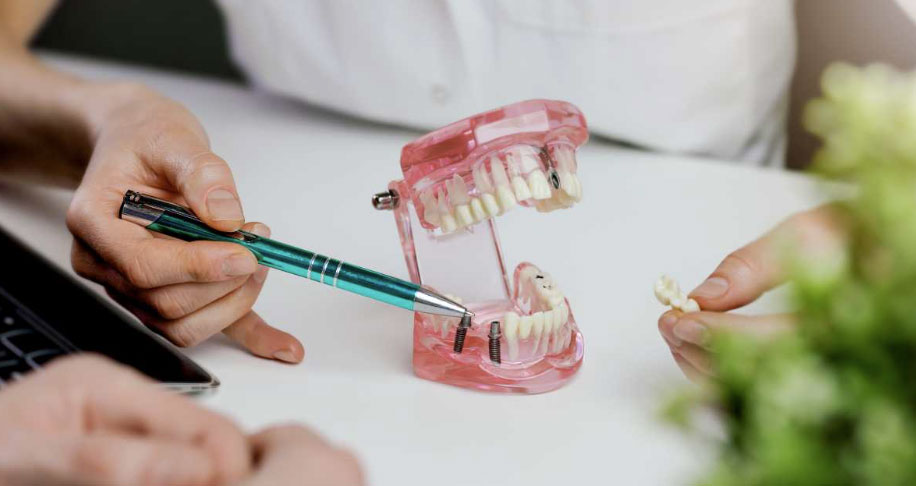
Many modern options are available for tooth restorations, including dental implants vs. dental bridges to replace missing teeth. If you are looking for solutions to restore your smile, then our team will help you choose from the reliable treatments that are offered. Dental implants use titanium posts that are placed into the jawbone surgically and support a crown, while dental bridges can be supported by dental implants or adjacent teeth.
Both dental implants and dental bridges are long-term solutions for missing teeth, and sometimes these treatments are used simultaneously. They both work differently and offer unique results, which is why our team always customizes patient treatment plans to suit each person who comes to our dental office.
How Each Option Replaces a Missing Tooth
Both dental implants and dental bridges can be used as standalone treatments, but there are also times when it makes sense to include both as part of your treatment plan. Here’s what you need to know about the options to replace missing teeth:
- Dental Implant: One or more dental implants can be placed in the jawbone to support various types of tooth restorations. The post needs to heal and fuse for a few months before the final restoration can be placed. For a single tooth replacement, a dental implant can support a crown. Or it’s possible to achieve full-arch restoration with All-on-4 implants using multiple implants with implant-supported dentures.
- Dental Bridge: If you need to replace one or more missing teeth, then a dental bridge can be a reliable treatment. Often, dental bridges are secured in place by anchoring them to neighboring teeth with a crown. For example, a tooth bridge can be a 3-unit restoration with crowns on the teeth on either side and an artificial tooth suspended in the middle.
- Implant and Bridge Combo: When the neighboring teeth are missing or they aren’t strong enough to support the dental bridge, then we might recommend that one or more implants be secured in the jawbone to hold the bridge in place.
Side-By-Side Comparison: The Benefits of Dental Implants and Dental Bridges
Here are a few important things to keep in mind if you are considering dental implants, dental bridges, or both:
- Longevity: When it comes to longevity, dental implants are the way to go because they can last a lifetime with proper oral health habits. On the other hand, dental bridges usually last for 10-15 years before they need to be replaced.
- Bone Density: One of the benefits of dental implants is that the titanium post stimulates the jawbone, helping to reduce the risk of bone density loss. While a dental bridge fills in the surface-level gaps, it does not address the concern of bone loss where the original tooth was extracted.
- Surrounding Teeth: If you want to minimize the impact on surrounding teeth, then dental implants are a great option because the neighboring teeth are not affected by the restoration. On the other hand, a dental bridge often requires healthy adjacent teeth to be reshaped so that crowns can be placed to hold the pontic tooth in the bridge.
- Treatment Timeline: A dental bridge is a faster treatment because it can be completed in only 2-3 weeks for the final restoration to be placed. Dental implants require 3 to 6 months of healing time before the final restoration so that the post can securely integrate into the jawbone.
- Ongoing Maintenance: Dental implants are maintained in the same way that you take care of your natural teeth, with brushing and flossing. In comparison, dental bridges require special flossing tools so that you can clean between the gums and the bridge.
Which Option Is Right for You?
Every patient is unique, which is why there is never a one-size-fits-all treatment plan. Our dental team will evaluate your dental health and offer personalized recommendations for your restorations.
We often recommend dental bridges for patients who have severe jawbone loss that limits implant placement, or if the adjacent teeth already need crowns. Bridges are also a good solution for patients who need a faster treatment timeline and have a tighter budget for their dental restorations.
On the other hand, dental implants might be recommended if you have sufficient bone density and want a permanent, standalone restoration. Dental implants are also great if you need to replace an entire arch of teeth.
Not only do we consider your oral health, but we also look at overall health to determine the risk of implant complications. Lifestyle factors such as smoking, uncontrolled diabetes, and active gum disease can increase the likelihood of an implant failure, so we might recommend a dental bridge instead.
Our goal is to help you design the ideal treatment plan that aligns with your preferences, smile goals, and budget. We work with each patient individually to determine the ideal way to move forward with their smile restoration.
Frequently Asked Questions About Dental Implants and Bridges
Is a dental implant always better than a bridge?
Dental implants aren’t necessarily better than bridges. For standalone tooth replacement, an implant is a great choice. But a tooth bridge can also be a more practical treatment depending on your oral health and bone density.
How long does a dental bridge last compared to an implant?
Quality dental bridges typically have a lifespan of 10-15 years or longer, while dental implants can last a lifetime with proper care. Even though dental implants are more expensive at the time of treatment, they are often worth the investment in the long run.
Can I get All-on-4 implants if I have bone loss?
Yes, All-on-4 implants are often an option for patients with bone loss. This restoration can be designed to work around the smaller bone size by angling the implants to avoid the worst areas of bone loss.
Is it necessary to see an implant specialist?
For straightforward implant placement, many dentists and oral surgeons are equipped to take care of this treatment. But if you have special considerations, such as significant bone loss or other complications, then we might refer you to an implant specialist for the treatment.

